The digital landscape has shifted. We are no longer in an era where static images and long blocks of text can hold a viewer’s attention for more than a few seconds. Today, movement is the universal language of the internet. Whether it’s a subtle hover effect on a landing page, a snappy transition in a social media story, or a full-scale explainer video, motion creates an emotional bridge between a brand and its audience. But for many small business owners, solo creators, and marketing teams, the barrier to entry has always been the complexity of professional software. The learning curve felt like a mountain, and the cost of entry was even higher.
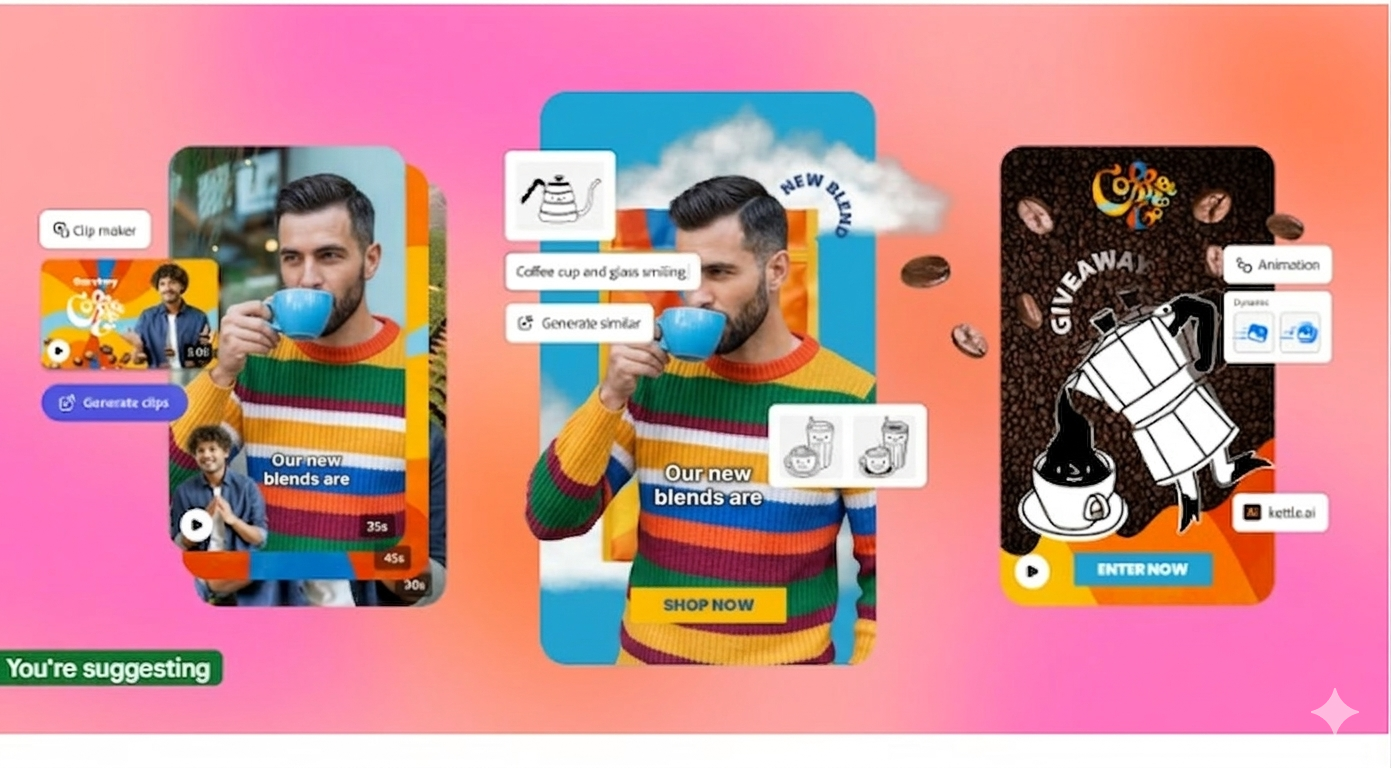
Thankfully, the democratization of design tools has changed the narrative. You don’t need a degree in motion graphics or a high-end workstation to bring your ideas to life. By utilizing a high-quality free online animation maker, creators can now bypass the technical headaches and jump straight into the storytelling phase. This shift isn’t just about saving money; it’s about agility. In a world where a trending topic can disappear in forty-eight hours, the ability to produce a polished, animated response in twenty minutes is a legitimate competitive advantage.
Why Motion Triggers Engagement
Psychologically, the human eye is wired to track movement. It’s an evolutionary trait that once helped us survive, and now, it helps us navigate a crowded Instagram feed. When you add animation to your content, you aren’t just making it “look pretty.” You are directing the viewer’s focus.
Consider the difference between a static flyer for a flash sale and an animated version where the discount percentage “pops” or pulses. The latter doesn’t just inform; it commands action. Animation allows you to control the rhythm of how information is digested. You can lead with a hook, build tension, and deliver a punchline or a Call to Action (CTA) with perfect timing.
Practical Applications for Modern Creators
So, where does animation actually move the needle? It’s more versatile than most people realize.
- Social Media Mastery: Reels, TikToks, and Stories are the bread and butter of modern reach. Instead of a standard photo, try animating the text overlays or adding a “character” that reacts to your voiceover. This layered approach keeps retention rates high.
- Email Marketing: A GIF or a short animated header in a newsletter can increase click-through rates significantly. It signals to the reader that this isn’t just another dry corporate update—it’s an experience.
- Educational Content: Complexity is the enemy of retention. If you are explaining a three-step process, animating the transition between those steps makes the information feel “bite-sized” and achievable.
- Brand Identity: Think about your logo. Does it just sit there? Animating a logo for the intro or outro of a video provides a level of professionalism that suggests your brand is established and detail-oriented.
Tips for Professional-Looking Results
The biggest mistake beginners make is over-animating. Just because you can make everything bounce, spin, and fade doesn’t mean you should. Here are a few “pro-tier” rules of thumb:
- Consistency is Key: Use the same “easing” or transition style throughout a single project. If one element slides in smoothly and another bounces aggressively, the final product will feel disjointed.
- The Three-Second Rule: In social media, you have about three seconds to hook someone. Ensure your most compelling animation happens at the very start to stop the scroll.
- Color Theory Matters: Movement draws attention, but color sets the mood. Ensure your animated elements contrast well with your background so they don’t get lost in the noise.
- Respect the Negative Space: Don’t crowd your frame. Give your animated elements room to breathe. Sometimes, a single moving line of text is more powerful than a screen full of chaotic graphics.
The Future is “Prosumer”
The line between “professional” and “consumer” tools is thinning every day. We are entering an age where the quality of the output depends more on the vision of the creator than the price tag of their subscription. This accessibility means the “creative playing field” is more level than ever before.
If you’ve been hesitant to dive into the world of motion because you feared it was too technical, now is the time to let go of that friction. The tools available today are designed to be intuitive, allowing you to focus on the “what” and the “why” while the software handles the “how.”
Final Thoughts
Animation isn’t a luxury anymore; it’s a communication standard. It breathes life into static ideas and turns passive observers into active participants. By embracing these accessible digital tools, you’re not just keeping up with the trends, you’re ensuring your voice is heard in an increasingly noisy digital world. Start small, focus on the story you want to tell, and watch how a little bit of movement can transform your entire brand presence.